
 Driven by curiosity. Driving change
New porous materials show record-breaking gas storage capacity
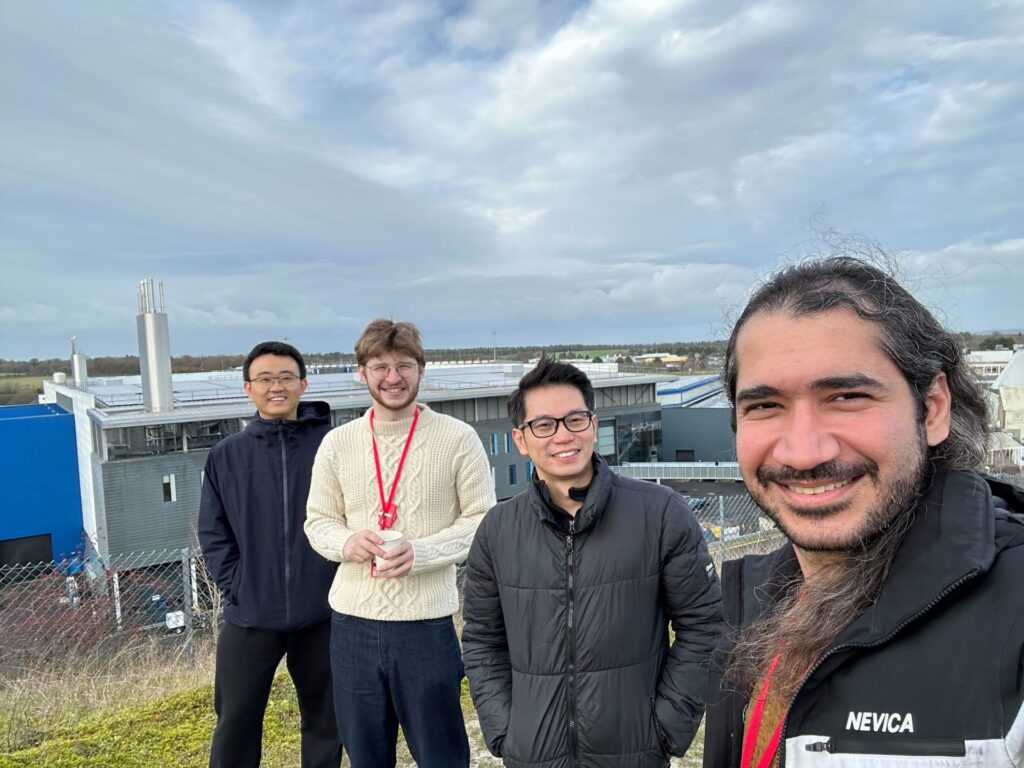
A collaboration, led by researchers from the Department, has designed and made two new metal organic frameworks that show excellent capacity for storing hydrogen and record-breaking methane storage.
Improving LEDs
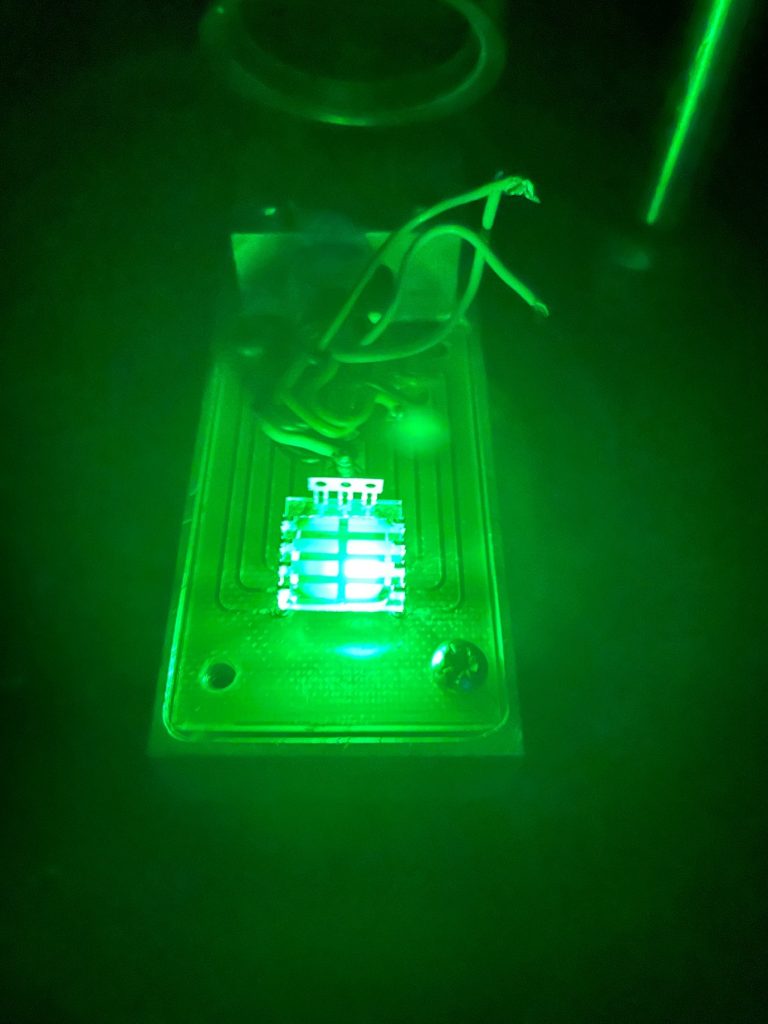
Interface engineering improves colour purity and efficiency in perovskite LEDs, with potential applications in display technologies.
Diagnostic test moves one step closer to reality
A urine test developed by scientists at the University of Cambridge has moved a step closer to clinical use following new findings revealing it could do more than first thought.
Speeding up diagnoses
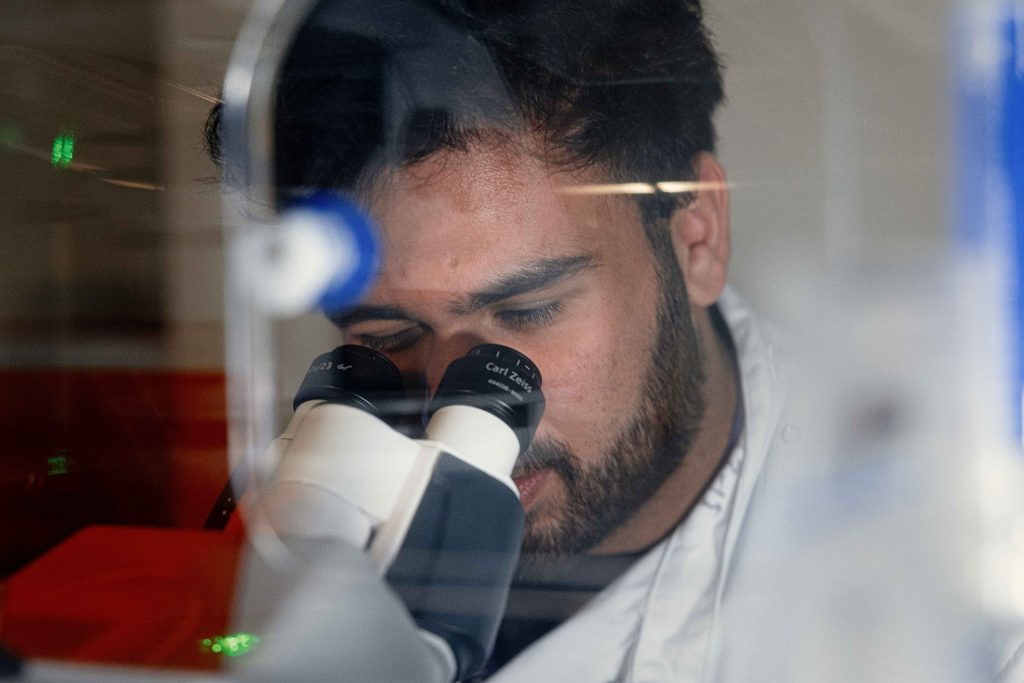
New research suggests a simple urine test could help spot conditions including bipolar disorder, ADHD and anorexia much sooner, easing pressure on health services where diagnoses can currently take months – even years.
AI meets chemical engineering
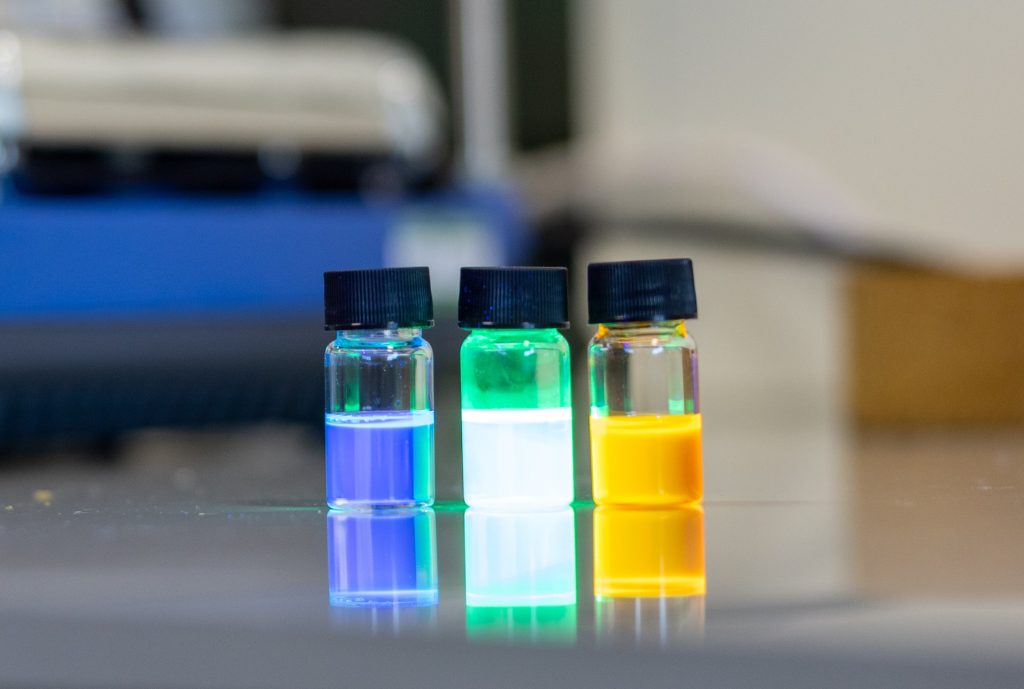
Prof Alexei Lapkin co-leads £800k project to develop new AI methods to accelerate drug development.
Diagnostic parity

Review from department researchers explores how psychiatry could move towards biological diagnosis
New insight into allergies

AI research offers new insight into why some people develop allergies while others do not.
Synthetic RNA ‘nanostars’ create programmable compartments in bacteria
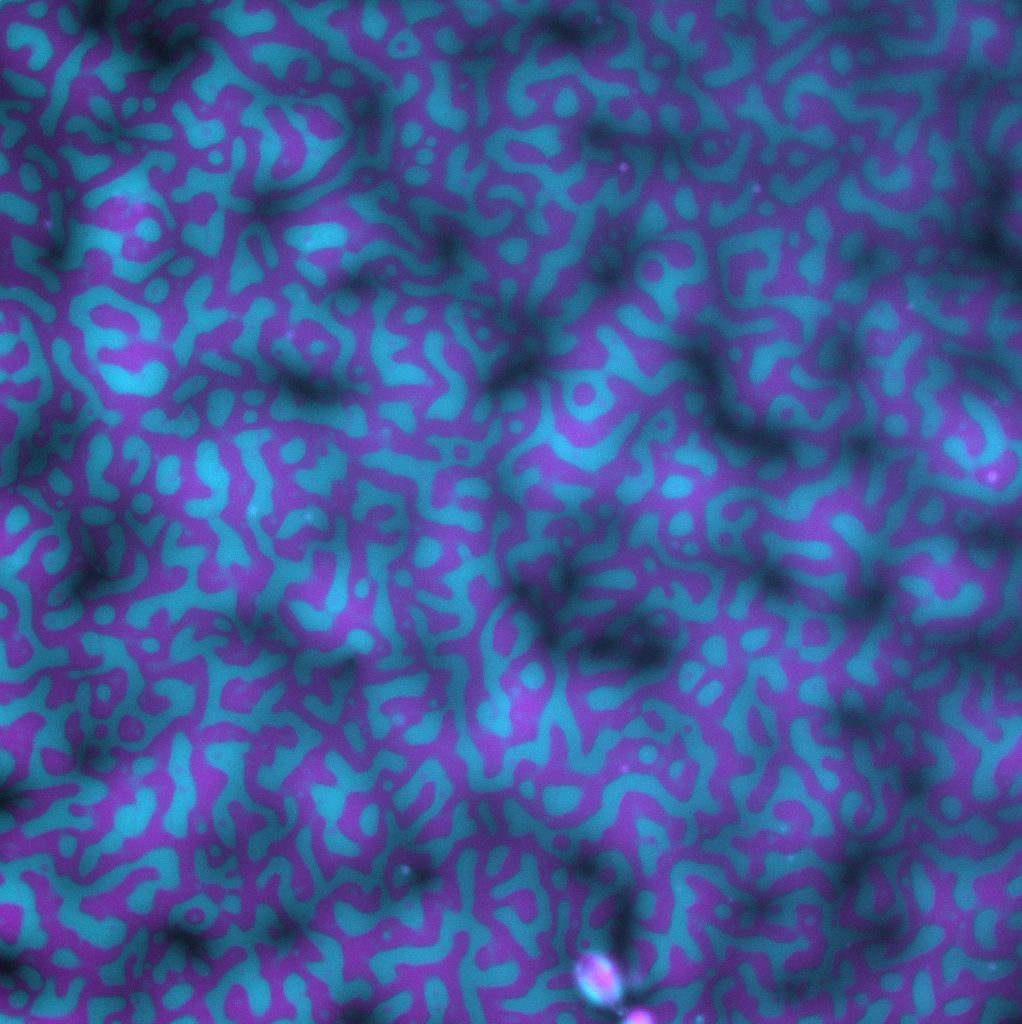
Researchers from Prof Di Michele’s lab have found a new way to organise molecules inside living cells, opening possibilities for more controlled and efficient biomanufacturing. Study published in Nature Communications.
The ‘zombie cell’ effect
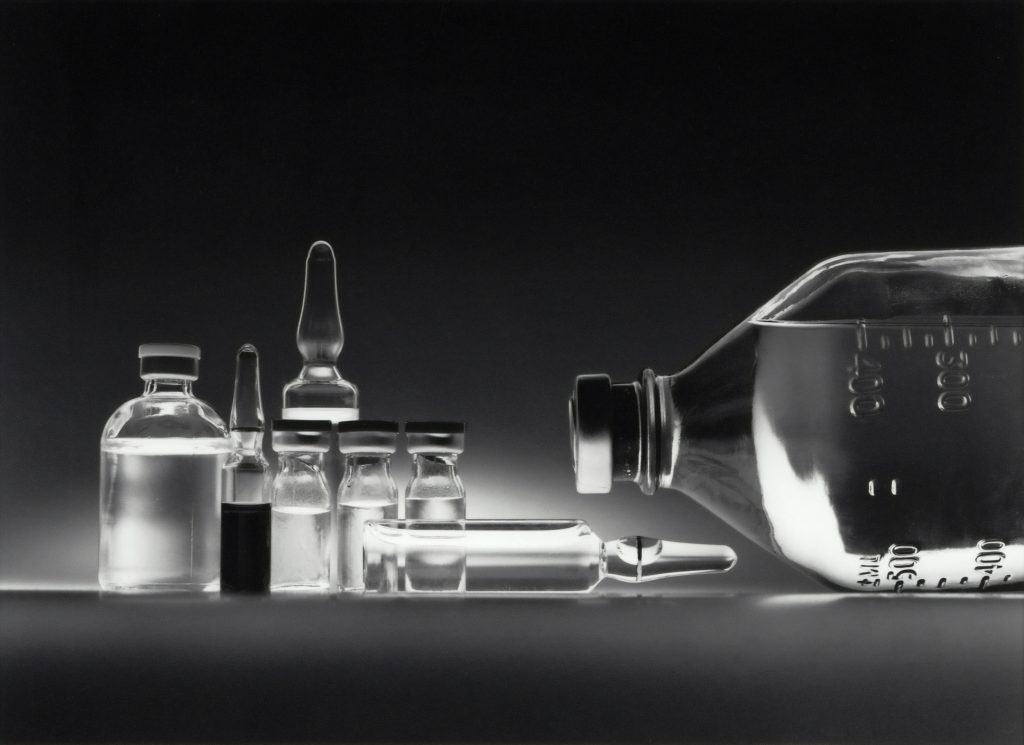
New study from Prof Ljiljana Fruk’s research group explains chemotherapy resistance in lung and ovarian cancers
Rethinking how AI reads history

Dr Sebastian Ahnert awarded Schmidt Sciences HAVI research award to create a new AI architecture that more accurately reflects the way humans read.