Our research lies at the interface between chemical engineering, materials science and biotechnology using molecular simulations, advanced experimental techniques and engineering to design new nanoporous materials.
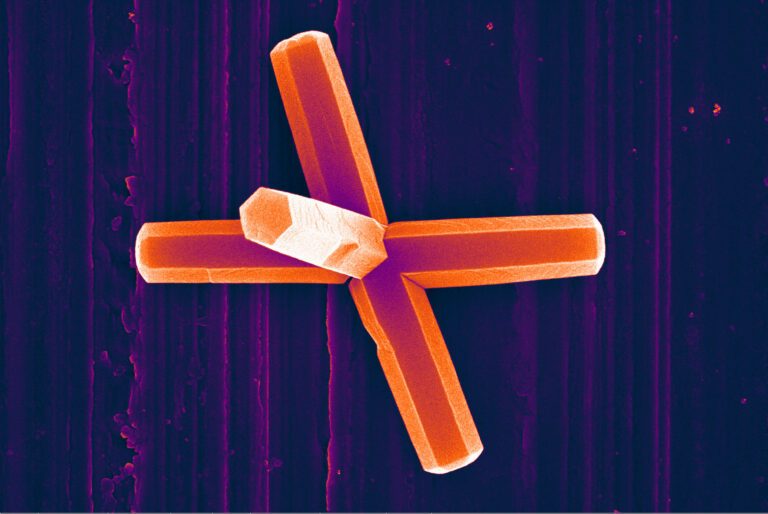
In particular, we focus on the study of metal-organic frameworks (MOFs), one of the most exciting development in recent porous materials science.MOFs present potential applications in many areas,including several promising uses in biomedical and industrial areas of gas separationand storage.
In MOFs, the self-assembly of metal ions or clusters, which act as coordination centres, linked together by a variety of polyatomic organic bridging ligands, results in tailored nanoporous host materials with a vast structural diversity. The most striking advantage of MOFs over more traditional porous materials, such as zeolites or activated carbons, is the possibility to tune the host / guest interaction by choosing the appropriate building blocks and topologies.
In our HTS and big data analysis, we have developed several visualisation tools to help experimental and computational researchers to find the best materials. These dynamic representations allow to change any included variable in a 5D environment and to select any specific structure, linking it to the Cambridge Structural Database to find the original publication where the structure and synthesis were reported.
→MOF data explorers

 Driven by curiosity. Driving change